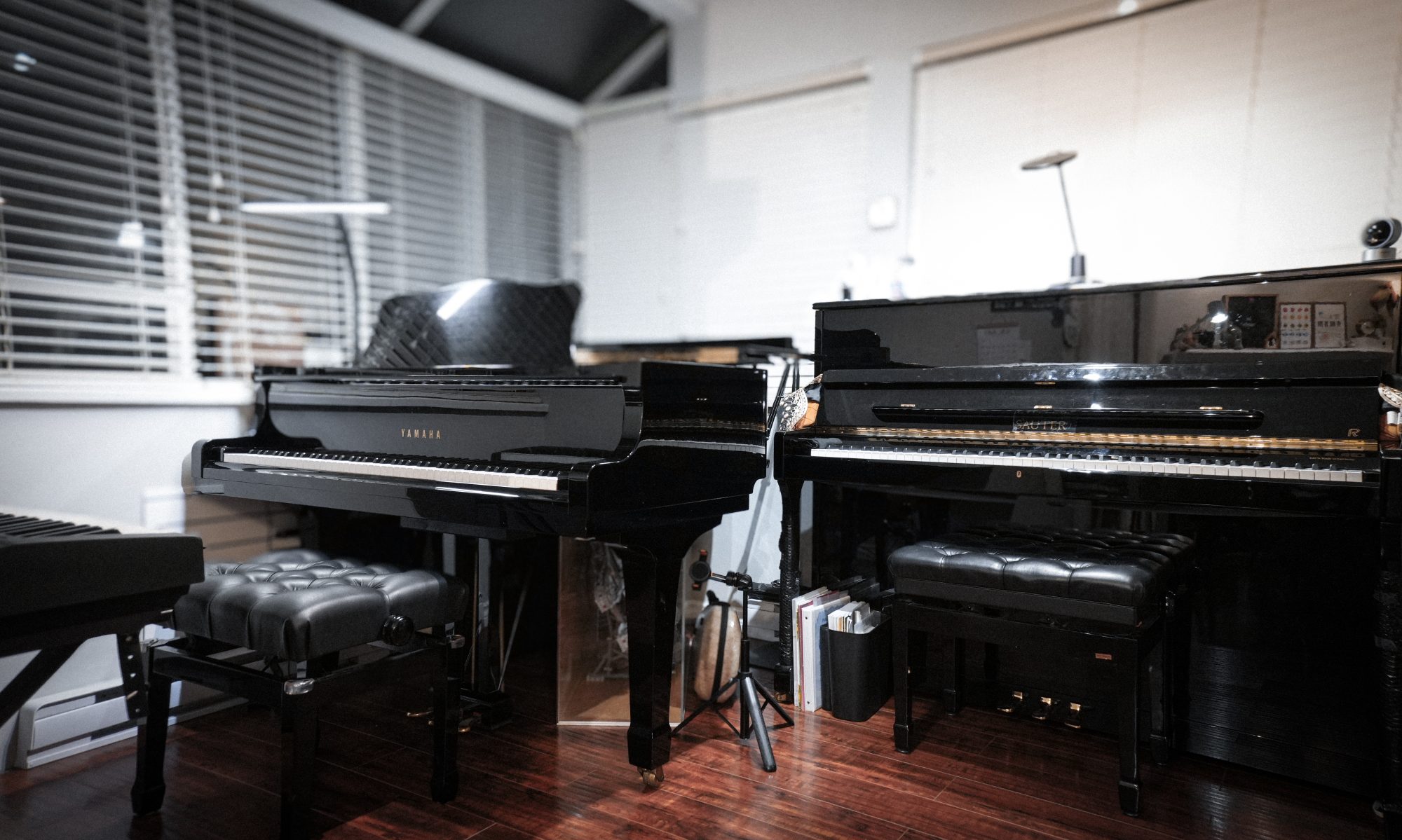
On Practice Habit
Developing consistent and mindful practice habits is an essential part of a young pianist’s musical growth. I believe that practice should be framed not as a chore, but as a rewarding and creative extension of the lesson. Especially with children, my goal is to make practice feel purposeful, manageable, and even fun.
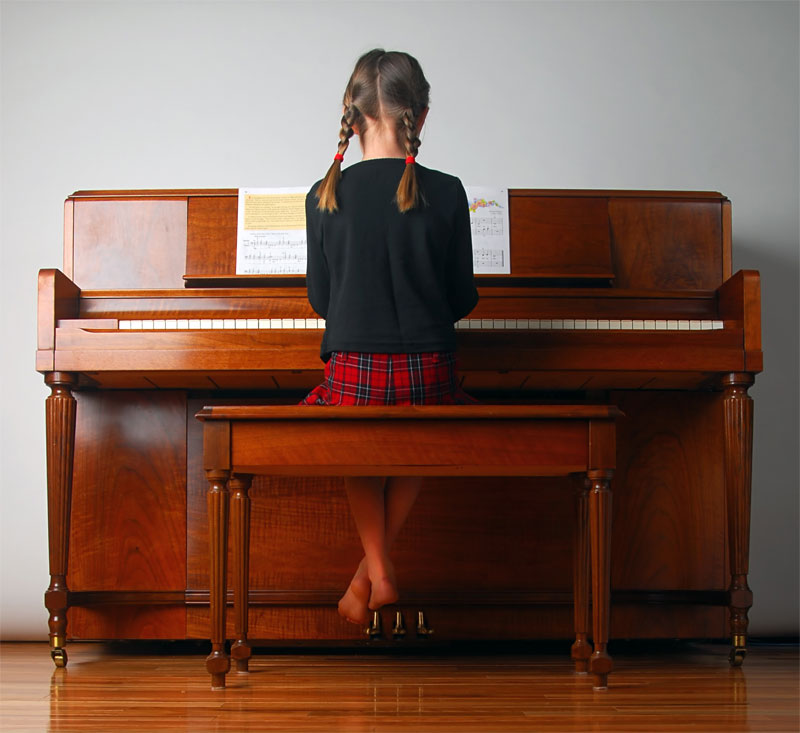
I teach students (and guide parents) to view practice as a daily conversation with the piano— an opportunity to explore, refine and enjoy music. I emphasize the quality of practice over quantity, encouraging short, focused sessions that fit a child’s attention span, age and other commitments. Through clear weekly goals, structured repetition, and creative activities, students learn how to approach their practice time with curiosity and confidence.
Just as important is building the mindset that mistakes are not failures, but clues to learning, and prelude to small wins. I work closely with families to create supportive routines at home, helping them understand how to motivate without pressure, celebrate small successes, and gently build discipline over time.
Ultimately, I want each student to feel a sense of ownership and pride in their musical journey. With the right habits and encouragement, practice becomes not just a task—but a meaningful part of who they are becoming as musicians and individuals.
Parental Involvement in Practice
Parental involvement plays a vital role in a young child’s musical development, especially in the early stages of piano study. Children thrive when their efforts are supported and acknowledged at home — whether through active participation, gentle encouragement, or simply showing interest in what they are learning.
For stay-at-home parents, there is often more flexibility to sit alongside the child during practice. In these cases, I encourage parents to serve as gentle guides, helping to follow the teacher’s notes, repeat key sections, or play simple games that reinforce concepts. Parents don’t need to be musically trained — your presence, encouragement, and routine-setting are the most valuable tools you bring.
For working parents with tighter schedules, support can take other meaningful forms. A few minutes of conversation about what the child learned that day, listening to a short “home concert” after dinner, or helping create a consistent time for independent practice can make a lasting impact. Even a quick video sent to me of their progress can foster a sense of connection and pride.
I also provide clear weekly assignments, sometimes with creative and visual practice tools (like checklists, sticker charts, or practice games) that help children stay engaged even when parents can’t be hands-on daily. Communication is key — I’m always happy to offer flexible suggestions that suit your family’s rhythm and needs.
Above all, I believe in forming a team between teacher, parent, and child. When children sense that everyone around them values their effort and joy in learning music, they develop not only better practice habits — but a deeper and more lasting relationship with the piano/violin.
HAPPY PRACTISING!
 The Little Musikbuds